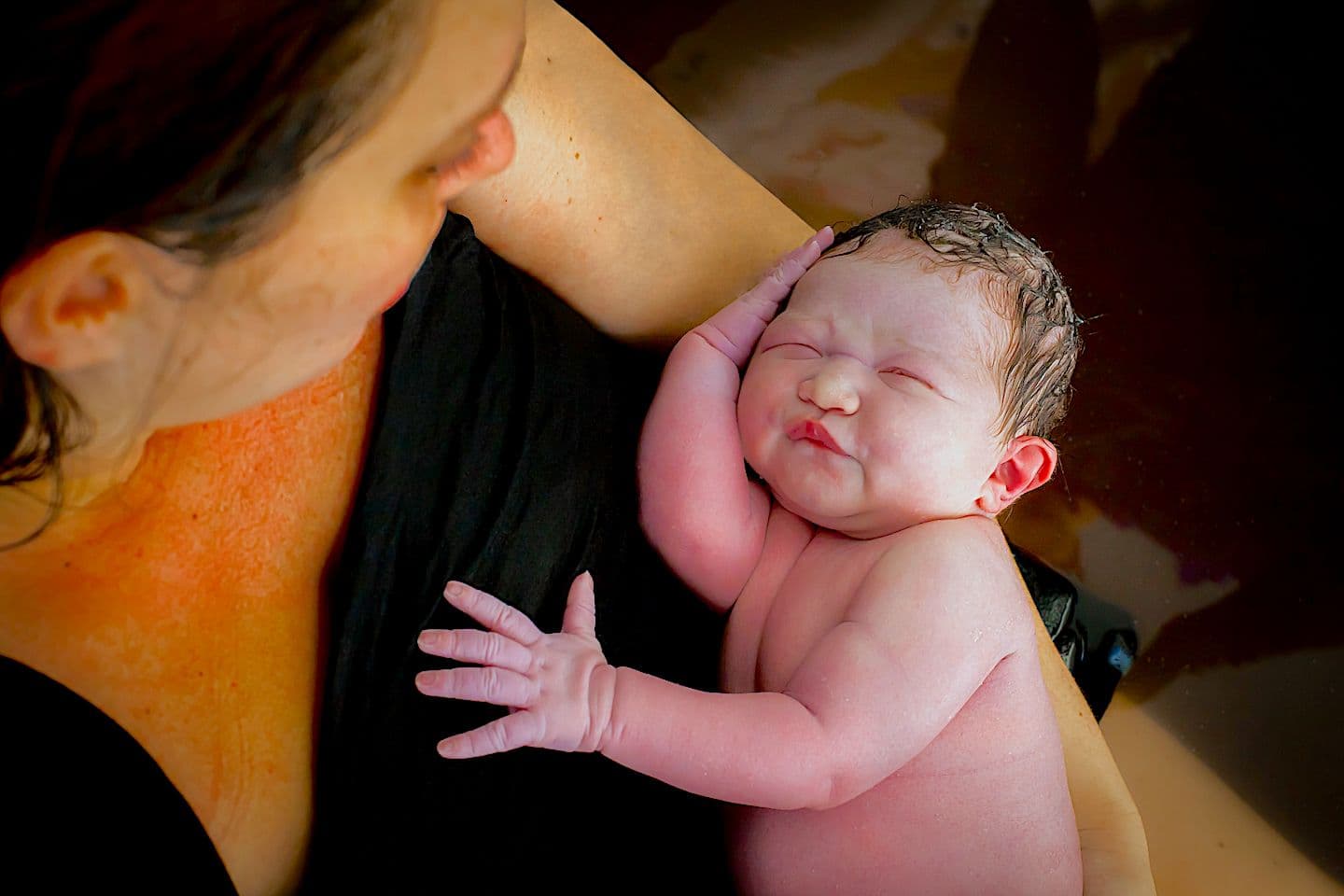
Getting Pregnant: Improving Fertility
Improve your chances getting pregnant by creating a Fertility BBT Temperature Chart and check the expert chart evaluations.
From Dr.Amos: Seven Steps To Fertility and Getting Pregnant Faster
5 Steps to Get Ready for a Healthy Pregnancy
1. Take 400 micrograms (mcg) of folic acid every day for at least 3 months before getting pregnant to help prevent birth defects.
2. Stop smoking and drinking alcohol.
3. If you have a medical condition, be sure it is under control. Some conditions include asthma, diabetes, oral health, obesity, or epilepsy. Also be sure that your vaccinations are up to date.
4. Talk to a health care professional about any over-the-counter and prescription medicines you are taking. These include dietary or herbal supplements.
5. Avoid contact with toxic substances or materials that could cause infection at work and at home. Stay away from chemicals and cat or rodent feces.
DOWNLOAD the FREE FERTILITY BabyMed Calculator iPhone App NOW.
Do the Flu Symptoms Test now.
Read More: Early Pregnancy Test and hCG Info, BabyMed Frequently Asked Questions, Sex Trivia, Pregnancy Trivia, Fertility Trivia, Pregnancy Calendar, Ovulation Calendar, Ovulation Calculator, Due Date Calculator.
These are the major questions asked by women trying to get pregnant:
- Am I ovulating?
- Am I fertile and when?
- Is HE fertile?
- Am I pregnant? How can I find out?
- What are my chances Getting Pregnant?
GET THE PREGNANCY QUIZ iPhone App NOW
--> FOLLOW DR.GRUNEBAUM ON TWITTER <---
ANSWER A SURVEY by Dr.Ruth Westheimer and get a chance to win a book!
For many couples getting pregnant is easy. However, there are others for whom getting pregnant can take a long time and they have to resolve to reproductive technology.
There is a growing number of couples whose first steps when trying to get pregnant is to learn more about their fertility and improve their chances getting pregnant. Their goal is to get pregnant faster and healthier. This group benefits the most from everyday steps intended to improve their chances getting pregnant with our fertility and ovulation calendar, pregnancy calendar, and chinese sex gender calendar chart. Can you use the OPK as an HPT and test for pregnancy?
BabyMed helps you with our 10 Periconception Tips to improve your fertility and increase your chances of becoming pregnant with a healthy baby. Check our most popular fertility and pregnancy FAQs, and take our Fertility and Pregnancy Quizzes to find out your knowledge.
The #1 Fertility Information: Ovulation (The BIG O)
BabyMed was conceived by Dr.Amos Grunebaum, a leading obstetrician and gynecologist, and provides you with extensive fertility tools, fertility advice, and an active TTC community which all help you improve your chances getting pregnant and having a healthy baby.
Here are the 3 Top Fertility Tips
- Find out when you are fertile (the "fertile window") and when to make love
- Be at your optimal weight
- Take a daily folic acid and preconception vitamin supplement
The odds that a woman will become pregnant in any particular month are about 20% to 25%. 40% to 50% get pregnant within 4-5 months and 85% get pregnant within 12 months There are many different things that can affect your chances of getting pregnant. They include:
- Your age - After 30 your chances getting pregnant decrease significantly
- Irregular menstrual cycles - These are usually associated with ovulation problems and PCOS
- Frequency of sex - making love not often enough or not at the right time decreases your pregnancy odds
- Length of time not getting pregnant - The longer you have tried unsuccessfully the less your chances getting pregnant
- Medical conditions and infections -These can decrease your chances getting pregnant
Your Fertile Window
The "Fertile Window" has been defined as the days of the menstrual cycle during which intercourse is most likely to result in pregnancy. This fertile window extends runs for 6 days starting at 5 days before ovulation until the day of ovulation. Your most fertile days are the 4-5 days before and the day of ovulation.
Making love the day after established ovulation is unlikely to improve your chances getting pregnant.
Increasing amounts of estrogen in the cervical mucus and reproductive tract of a women approaching ovulation generally allows the sperm to live for up to 6 days.
Studies have shown that even in women with regular cycles, ovulation can possibly happen any time, so "timing" of intercourse has never been shown to improve your pregnancy chances. You are probably not improving your chances of getting pregnant if you wait with intercourse until the temperature goes up or the OPK has become positive. You may already have ovulated by that time, and sex after ovulation is unlikely to get you pregnant.
Couples who tried to get pregnant were previously told to have sex once every other day during their fertile days. Recent studies have shown that the average couple who is trying to conceive should make love regularly 2-3 times a week, every week because you don't know exactly when ovulation happens.
The BabyMed Fertility Tools